
Packing well makes a big difference to the camping or glamping experience. Bring too little and the trip becomes inconvenient. Bring too much and it becomes tiring. The best approach is to pack smart based on the type of stay you booked.
1. Start with your stay type
Before packing, confirm whether you booked a camping lot, a glamping tent such as The Haven or The Nest, or a premium unique stay such as the Cybertruck suite. Different stay types need different preparation levels.
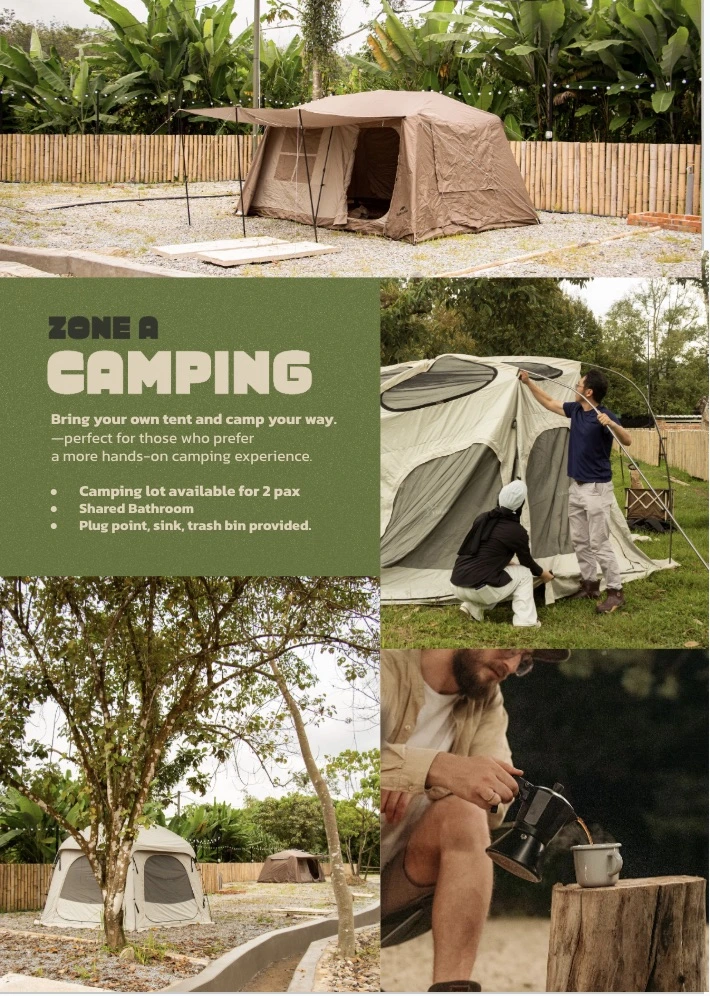
- Camping lot guests may need more personal gear and practical outdoor essentials.
- Glamping guests can usually pack lighter because the experience is more prepared and comfort-focused.
- Private unique stay guests may focus more on clothing, food, photography and personal items rather than camping gear.
2. Core items everyone should bring
- comfortable clothes for daytime and evening
- light jacket or outerwear
- toiletries and personal care items
- slippers or sandals
- power bank and charging cable
- insect repellent
- personal medication
- water bottle
3. Useful extras for a better experience
These are not strictly necessary, but they improve the trip:
- portable speaker for personal use at appropriate volume
- simple snacks and drinks
- board games or cards for group time
- camera or tripod for photos
- small torch or portable light
- plastic bags for laundry or used items
4. Family packing tips
If you are travelling with children, add a small family layer to your packing plan:
- extra clothing and towels
- favourite snacks for children
- basic medicine and child-specific essentials
- simple activity items such as books, cards or small toys
- wet wipes and tissues
5. Food planning
Some guests enjoy preparing their own simple outdoor meals, while others prefer a more convenient arrangement. Think through whether you are planning a cooking-style stay, a snack-style stay or a more relaxed food approach.
If your plan includes BBQ, pot meals or late-night snacks, keep your setup realistic and easy to manage. Outdoor dining is most enjoyable when it feels simple rather than overcomplicated.
6. What not to overpack
A common mistake is packing too much. You do not need to bring your whole house. Focus on comfort, practicality and what actually improves the trip.
- avoid excessive outfit changes
- avoid large unnecessary equipment unless your stay type needs it
- avoid bringing fragile items that are hard to manage outdoors
Good packing is not about bringing more. It is about bringing the right things for the way you want to enjoy the stay.